Introduction to Type 2 Diabetes and Its Complications
Type 2 diabetes is a long-term condition that affects how your body uses sugar. Many people live with this disease every day. However, it can lead to serious health problems if not managed well. These problems are called complications of type 2 diabetes. Early care and regular check-ups can help prevent or delay these issues.
Common Complications of Type 2 Diabetes
Type 2 diabetes can harm many parts of your body. Below are some of the most common complications:
Symptoms and Warning Signs of Complications
It is important to know the warning signs of diabetes complications. Early action can help prevent serious problems. Watch for these symptoms:
If you notice any of these signs, contact your doctor right away. Quick action can make a big difference.
Diagnosis and Monitoring of Complications
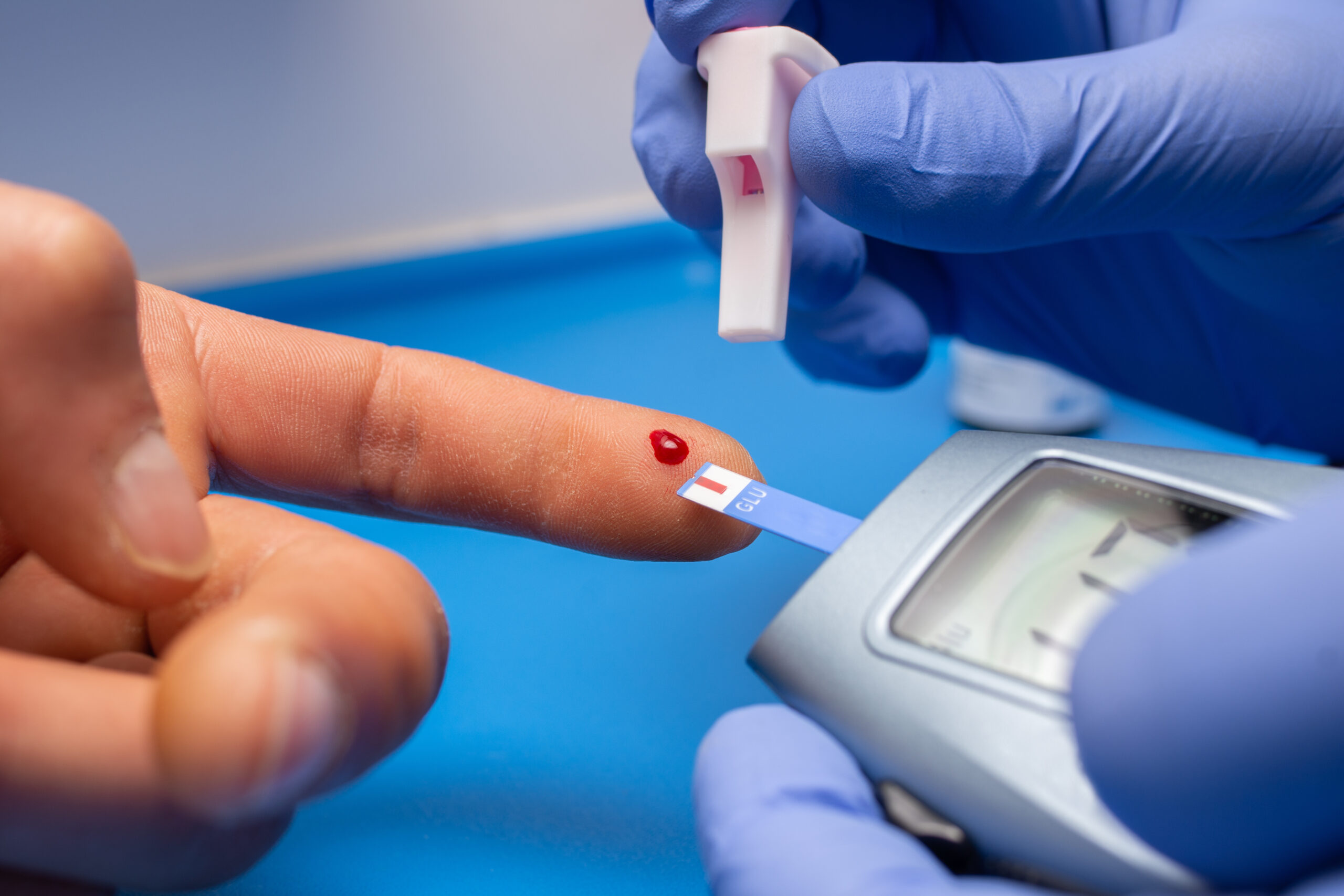
Doctors use several tests to check for complications of type 2 diabetes. Regular check-ups are key. These may include:
Because early detection helps, follow your doctor’s advice about routine tests. This can help catch problems before they get worse.
Treatment Options and Management Strategies
Treating complications of type 2 diabetes often involves several steps. Your doctor may suggest:
In some cases, you may need to see a specialist. For example, a kidney doctor or eye doctor may help manage certain problems. Always follow your care plan closely.
Lifestyle Guidance for Prevention and Risk Reduction
Healthy habits can lower your risk of complications. Try these tips:
Because small changes add up, start with one or two new habits. Over time, these steps can protect your health.
When to Seek Medical Help
Sometimes, complications of type 2 diabetes need urgent care. Call your doctor if you have:
Even if your symptoms seem mild, it is better to check with your healthcare provider. Early treatment can prevent serious problems.
Conclusion
Type 2 diabetes can lead to many complications, but you can take steps to lower your risk. Regular check-ups, healthy habits, and good blood sugar control are key. Consult a healthcare professional Dr.Hiran’S Diabetic,Thyroid & General Clinic for personalized advice on managing diabetes complications.