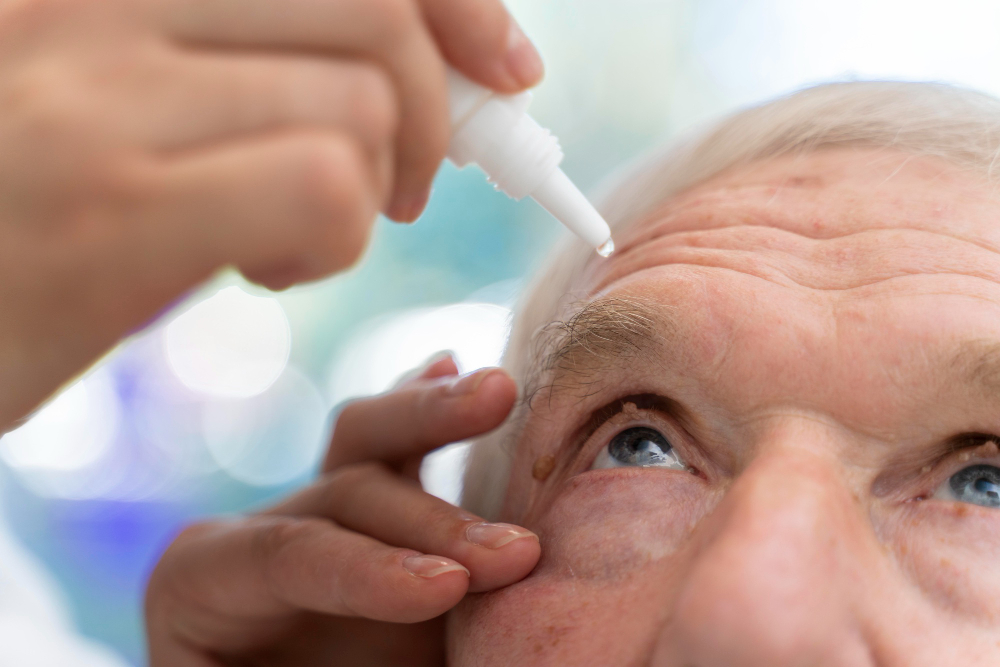
Diabetic retinopathy is a serious eye problem caused by diabetes. It can damage the tiny blood vessels in your eyes. Because of this, vision loss may happen if you do not take steps early. Preventing diabetic retinopathy is important for anyone with diabetes. In fact, learning how to prevent diabetic eye disease can help you keep your sight. With the right habits, protecting vision in diabetes is possible. Let’s explore how you can keep your eyes healthy.
What is Diabetic Retinopathy?
Diabetic retinopathy happens when high blood sugar harms the blood vessels in the retina. The retina is the part of your eye that helps you see. Over time, these blood vessels can leak or swell. Sometimes, new weak vessels grow and cause more problems. If left untreated, this condition can lead to vision loss or even blindness. According to the CDC, diabetic retinopathy is a leading cause of blindness in adults.
Why Prevention Matters
Prevention is key because diabetic retinopathy often has no early symptoms. By the time you notice changes, damage may already be done. However, early action can stop or slow the disease. For people with diabetes, regular eye care can make a big difference. In many cases, simple steps can help you avoid serious vision problems. Protecting your eyes now can save your sight later.
Key Risk Factors
Some people have a higher risk of developing diabetic retinopathy. Knowing these risk factors can help you stay alert:
Even if you have these risks, you can still take steps to protect your vision.
Early Warning Signs and Symptoms
Often, diabetic retinopathy starts without any symptoms. Still, watch for these warning signs:
If you notice any of these, see an eye doctor right away. Early treatment can prevent further damage.
Proven Prevention Strategies
There are several proven ways to prevent diabetic retinopathy. According to the World Health Organization and CDC, these steps are effective:
By following these steps, you lower your risk of vision loss.
Lifestyle Tips for Eye Health
Besides medical care, healthy habits support your eyes. For example, you can:
In some regions, dust and pollution may also harm your eyes. Therefore, keep your eyes clean and avoid rubbing them.
When to See a doctor
Regular check-ups are important for everyone with diabetes. You should see an eye specialist at least once a year. However, if you notice any vision changes, do not wait. Early visits can catch problems before they get worse. In addition, your doctor may suggest more frequent exams if you have other risks. Always follow your doctor’s advice for the best care.
In summary, preventing diabetic retinopathy is possible with the right steps. Take care of your blood sugar, get regular eye exams, and follow healthy habits. Consult Dr. Hiran Reddy for personalized advice on preventing diabetic retinopathy.