What is Hyperthyroidism?
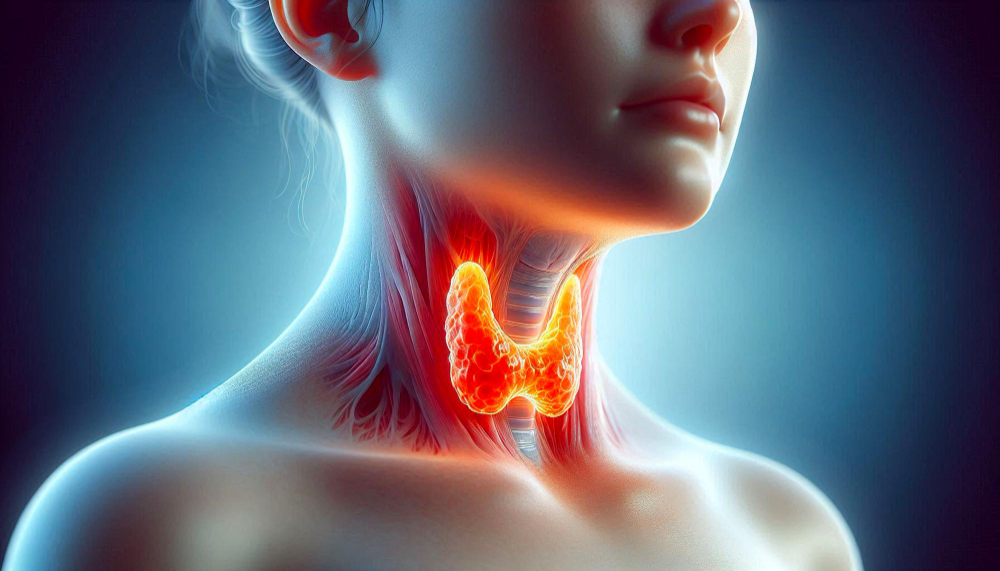
Hyperthyroidism is a condition where your thyroid gland makes too much thyroid hormone. The thyroid is a small, butterfly-shaped gland in your neck. When it is overactive, it speeds up many body functions. As a result, you may feel restless, lose weight, or notice a fast heartbeat. According to the CDC, hyperthyroidism affects about 1 in 100 people in the United States. Early detection is important because an overactive thyroid can impact your whole body.
Common Symptoms of Hyperthyroidism
Many people with hyperthyroidism notice changes in how they feel. However, symptoms can be mild at first. Over time, they may become more noticeable. Here are some common signs of thyroid problems:
Because these symptoms are common in other conditions, it is important to talk to your doctor if you notice them. Early treatment can help prevent complications.
Causes and Risk Factors
There are several reasons why someone may develop hyperthyroidism. Most often, it is caused by an immune system problem called Graves’ disease. In this condition, the body attacks the thyroid, making it work too hard. Other causes include thyroid nodules, thyroiditis (inflammation of the thyroid), or taking too much thyroid medicine.
Some people are more likely to get hyperthyroidism. Risk factors include:
Knowing your risk can help you watch for early signs of an overactive thyroid.
How Hyperthyroidism is Diagnosed
If you have symptoms, your doctor will likely order blood tests. These tests measure thyroid hormone levels in your blood. For example, high levels of T3 and T4, along with low TSH, suggest hyperthyroidism. Sometimes, doctors use imaging tests like a thyroid scan or ultrasound. These tests help find the cause of the problem. Early diagnosis is key to starting the right treatment.
Treatment Options for Hyperthyroidism
There are several hyperthyroidism treatment options. Your doctor will choose the best one based on your age, health, and the cause of your overactive thyroid. Common treatments include:
Each treatment has benefits and risks. Therefore, it is important to discuss your options with your healthcare provider. In some cases, you may need lifelong follow-up care.
Lifestyle Tips for Managing Hyperthyroidism
Along with medical treatment, lifestyle changes can help you feel better. Here are some tips on how to manage hyperthyroidism:
Because everyone is different, ask your doctor for advice that fits your needs.
Preventing Complications
Without treatment, hyperthyroidism can lead to serious problems. For instance, it can cause heart issues, weak bones, or a dangerous condition called thyroid storm. To prevent complications, follow your treatment plan and keep regular check-ups. If you notice new or worsening symptoms, contact your doctor right away. Early action can help keep you healthy.
When to See a Doctor
If you notice signs of thyroid problems, do not wait. For example, sudden weight loss, a racing heart, or unexplained anxiety should prompt a visit to your healthcare provider. Early diagnosis and treatment can make a big difference. If you have a family history of thyroid disease, regular check-ups are also important. Remember, your doctor can help you find the best way to manage hyperthyroidism.
In summary, hyperthyroidism is a treatable condition. However, it requires early attention and proper care. Consult Dr. Hiran Reddy for personalized advice on hyperthyroidism.