Introduction
Type 1 Diabetes is a lifelong condition that affects many people worldwide. It often starts in children or young adults, but anyone can develop it. Early recognition of Type 1 Diabetes symptoms is important. With the right care, people can live healthy lives. In this blog, we will explain what Type 1 Diabetes is, its symptoms, causes, diagnosis, and management. We will also share tips for living with Type 1 Diabetes.
What is Type 1 Diabetes?
Type 1 Diabetes is a condition where the body cannot make insulin. Insulin is a hormone that helps sugar move from the blood into the cells for energy. Without insulin, blood sugar levels get too high. Unlike Type 2 Diabetes, Type 1 is not caused by lifestyle or diet. Instead, it is an autoimmune disease. This means the body’s immune system attacks the cells in the pancreas that make insulin. Because of this, people with Type 1 Diabetes need insulin every day.
Symptoms of Type 1 Diabetes
Recognizing Type 1 Diabetes symptoms early can help prevent serious problems. Symptoms often appear suddenly and can include:
Sometimes, children may also wet the bed after being dry at night. If you notice these signs, it is important to see a doctor quickly.
Causes of Type 1 Diabetes
Although the exact cause of Type 1 Diabetes is not fully known, experts believe it is linked to the immune system. The body’s defense system mistakenly destroys insulin-making cells in the pancreas. Genetics can play a role, so having a family member with Type 1 Diabetes may increase risk. However, many people with Type 1 Diabetes have no family history. Sometimes, viruses or other environmental factors may trigger the disease. Still, Type 1 Diabetes is not caused by eating too much sugar or being overweight.
Diagnosis of Type 1 Diabetes
Doctors use several tests to diagnose Type 1 Diabetes. Usually, they start with a blood sugar test. If blood sugar is high, more tests follow. These may include:
Sometimes, doctors check for certain antibodies in the blood. These help confirm Type 1 Diabetes. Early diagnosis is key to starting treatment and avoiding complications.
Treatment Options for Type 1 Diabetes
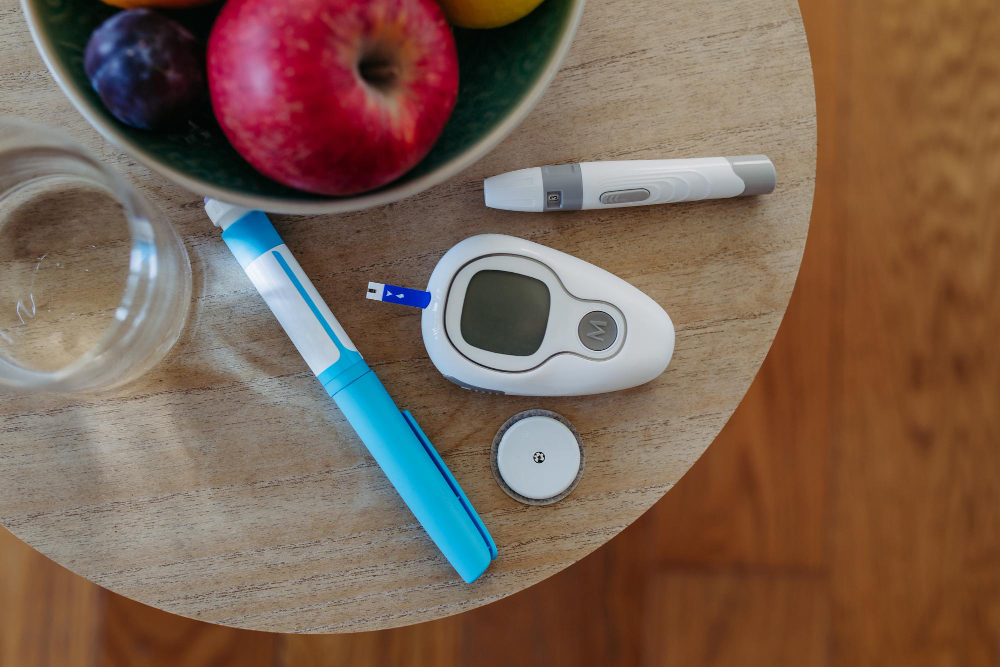
Because the body cannot make insulin, people with Type 1 Diabetes need insulin every day. There are different ways to take insulin, such as:
Besides insulin, regular blood sugar checks are important. Some people use continuous glucose monitors (CGMs) to track sugar levels all day. Eating healthy meals, staying active, and managing stress also help control blood sugar. Doctors may suggest working with a diabetes care team for support.
Lifestyle Tips for Living with Type 1 Diabetes
Managing Type 1 Diabetes every day can feel challenging. However, with good habits, life can be healthy and active. Here are some tips:
Additionally, learning about Type 1 Diabetes helps you make better choices. Family and friends can also support you in daily care.
Prevention
Currently, there is no known way to prevent Type 1 Diabetes. Since it is an autoimmune disease, lifestyle changes cannot stop it from developing. However, early diagnosis and good management can prevent serious health problems. Ongoing research is looking for ways to prevent or delay the disease in the future.
Conclusion
Type 1 Diabetes is a serious but manageable condition. With the right treatment and support, people can lead full lives. Early recognition of symptoms, regular check-ups, and healthy habits make a big difference. If you or someone you know has signs of Type 1 Diabetes, consult a healthcare professional Dr. Hiran Reddy for personalized advice on managing Type 1 Diabetes.