What is Continuous Glucose Monitoring (CGM)?
Continuous Glucose Monitoring (CGM) is a way to track blood sugar levels in real time. Instead of checking with finger pricks, a small sensor measures your glucose all day and night. Because it gives updates every few minutes, you can see trends and patterns. This helps people with diabetes manage their health better. According to the CDC, CGM can help lower the risk of serious problems from diabetes.
How Does CGM Work?
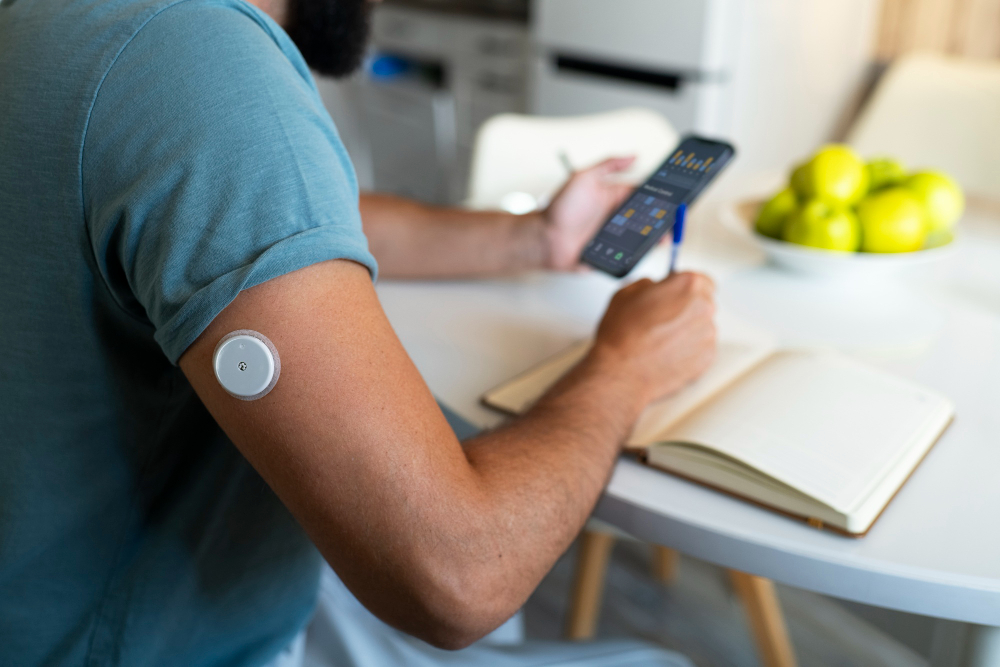
CGM uses a tiny sensor placed under the skin, usually on the belly or arm. The sensor checks glucose in the fluid between your cells. It sends this data to a small device or your smartphone. As a result, you get real-time glucose readings. Some systems even alert you if your levels are too high or low. This means you can act quickly to stay safe.
Who Can Benefit from CGM?
Many people with diabetes can benefit from CGM. For example, those who:
However, not everyone needs CGM. Your doctor can help decide if it is right for you.
Key Benefits of CGM for Diabetes Management
CGM offers several important benefits. For instance, it can:
Because you get more information, you can make safer decisions each day.
How to Use a CGM Device: Step-by-Step Basics
Using a CGM is simple. Here are the basic steps:
Always follow the instructions from your CGM manufacturer and healthcare provider.
Tips for Getting the Most from Your CGM
To make the most of your CGM, try these tips:
With these steps, you can improve your diabetes care each day.
Common Questions and Concerns About CGM
Many people have questions about CGM. For example:
If you have more questions, your healthcare provider can help.
Safety, Accuracy, and Limitations
CGM devices are very helpful, but they are not perfect. For instance, readings may lag behind blood sugar changes by a few minutes. Also, some medicines or health issues can affect accuracy. While most people find CGM safe, mild skin irritation may occur. If you notice redness or pain, talk to your doctor. Remember, you may still need fingerstick tests at times.
When to Consult a Healthcare Provider
It is important to talk to your doctor before starting CGM. They can help you choose the best device and teach you how to use it. If you notice unusual readings, skin problems, or have trouble using your CGM, seek help right away. Your doctor can also help you understand your data and adjust your care plan.
Conclusion
Continuous Glucose Monitoring (CGM) can make diabetes management easier and safer. Because it gives real-time updates, you can act quickly to stay healthy. For more information or to see if CGM is right for you, consult Dr Hiran Reddy.