What Are Thyroid Nodules?
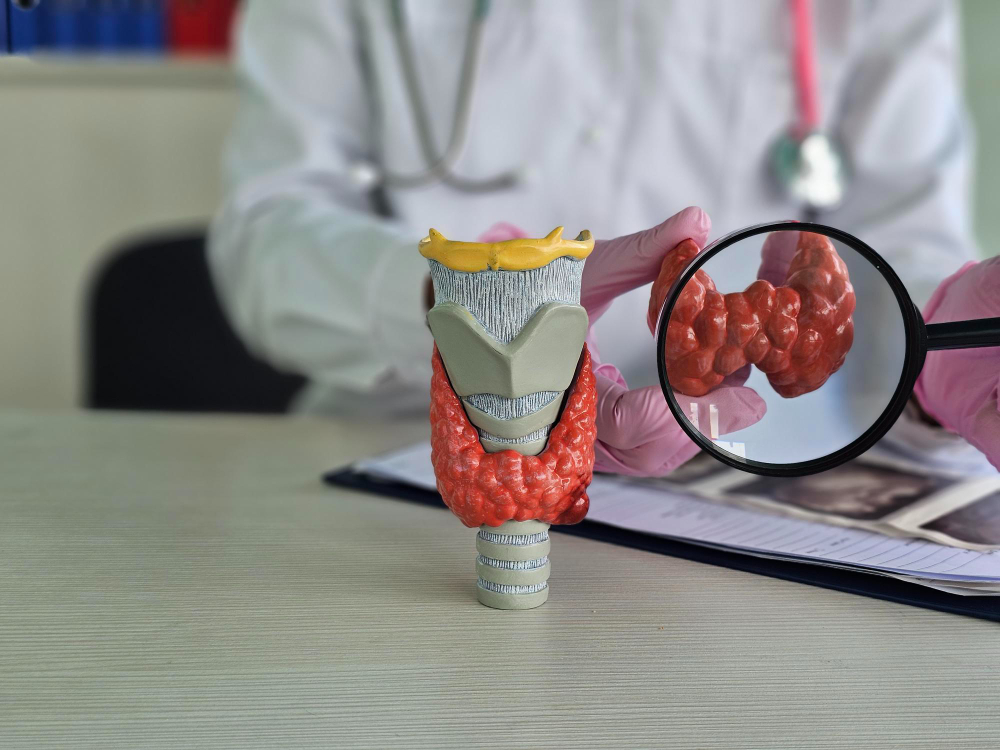
Thyroid nodules are lumps that form in your thyroid gland. This gland sits at the front of your neck. While most thyroid nodules are not cancer, some can be. In fact, according to the World Health Organization, most people will develop a thyroid nodule at some point. However, many people do not notice them right away. Because thyroid nodules are common, it is important to know what they are and when to seek care.
Common Symptoms of Thyroid Nodules
Many thyroid nodules do not cause symptoms. Still, you may notice some signs. For example, you might feel a lump in your neck. Sometimes, thyroid lump symptoms include:
Additionally, some nodules can make your thyroid work too much or too little. This can lead to symptoms like weight changes, feeling tired, or feeling nervous. If you notice any of these, it is wise to talk to a doctor.
Causes and Risk Factors
Thyroid nodules can form for many reasons. For instance, they may be caused by:
Moreover, some risk factors make thyroid nodules more likely. These include being female, getting older, or having had radiation to the neck. In some areas, such as places with low iodine in the soil, thyroid nodules may be more common. Therefore, your location and diet can play a role.
How Thyroid Nodules Are Diagnosed
Doctors use several steps for thyroid nodule evaluation. First, they may feel your neck to check for lumps. Next, they often use an ultrasound. This test uses sound waves to show the size and shape of the nodule. Sometimes, blood tests help check how your thyroid is working. In addition, a fine needle biopsy may be needed. This test takes a small sample from the nodule to check for cancer cells. According to the CDC, most thyroid nodules are benign, but testing helps make sure.
When Should You Get Thyroid Nodules Checked?
It is important to know when to see a doctor for thyroid nodules. You should get checked if you notice:
Even if your lump does not hurt, you should still see a doctor. Early evaluation helps find out if the nodule is benign or malignant. In many cases, finding a nodule early leads to better outcomes. If you live in an area with limited thyroid care, ask your local clinic about screening options.
Treatment Options for Thyroid Nodules
Treatment depends on the type of nodule. For benign thyroid nodules, doctors may suggest regular check-ups and ultrasounds. However, if a nodule is large or causes symptoms, it may need to be removed. If tests show cancer, surgery is often needed. Some nodules that make too much hormone can be treated with medicine or radioactive iodine. Your doctor will explain the best plan for you. Often, no treatment is needed if the nodule is small and harmless.
Lifestyle Tips and Prevention
While you cannot prevent all thyroid nodules, some steps may help. For example, you can:
Don’t ignore your health concerns. Consult our experts today at Dr.Hirana’S Diabetic,Thyroid & General Clinic